Introduction
Pruning ornamental plants is an essential aspect of landscaping that not only enhances the beauty of gardens but also promotes plant health and longevity. In Lubbock, where the climate can pose unique challenges for gardeners, understanding effective pruning techniques is crucial for maintaining vibrant landscapes. Whether you're a seasoned gardener or a novice, this comprehensive guide will provide you with insights into various pruning techniques recommended by experts in Lubbock. From seasonal care to specific methods tailored for different ornamental plants, you'll find everything you need to know to keep your garden thriving.
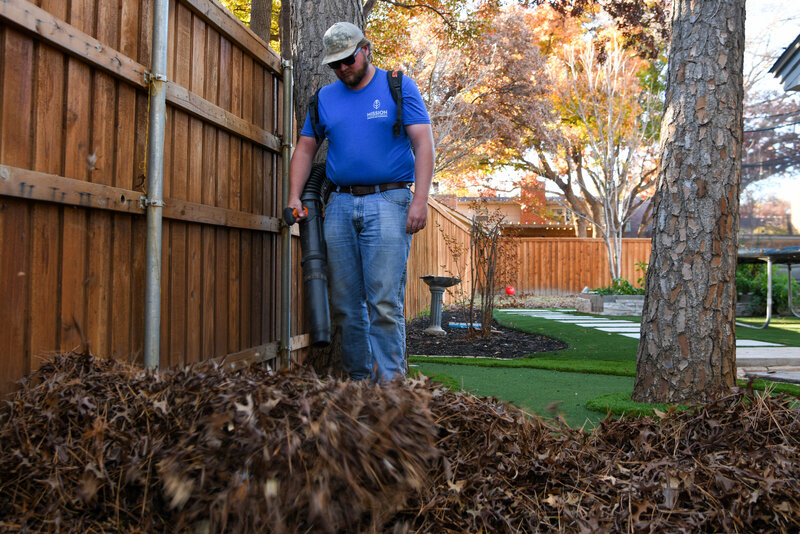
Pruning Techniques for Ornamental Plants: Insights from Lubbock Experts
Pruning is often misunderstood; however, it is a necessary practice that can lead to healthier and more attractive plants. The importance of pruning cannot be overstated as it encourages new growth, removes dead or diseased wood, and helps maintain shape and size. Here in Lubbock, the local climate requires specific methods to ensure the best results.
Why Prune Ornamental Plants?
Understanding the "why" behind pruning can help gardeners appreciate its significance:
- Promote Health: Removing dead or diseased branches prevents the spread of disease. Encourage Growth: Pruning stimulates new growth and flowering. Aesthetic Appeal: Maintains symmetry and enhances the overall appearance of plants. Safety: Prevents branches from becoming hazards during storms or high winds.
When to Prune Ornamental Plants?
Timing is everything in gardening. Knowing when to prune your ornamental plants can make all the difference:
- Late Winter/Early Spring: Ideal for most deciduous trees and shrubs before new growth begins. Post-Bloom: For flowering shrubs that bloom on old wood, prune immediately after flowering. Late Summer/Fall: Sometimes suitable for minor shaping but generally avoided due to potential damage from frost.
Essential Tools for Pruning
Equipping yourself with the right tools makes all the difference:
Hand Pruners: Best for small branches (up to ¾ inch). Loppers: For larger branches (up to 2 inches). Pruning Saw: Necessary for thicker limbs. Hedge Shears: Great for shaping hedges and shrubs.Mastering Basic Pruning Techniques
To get started, familiarize yourself with fundamental pruning techniques:
1. Thinning Cuts
This technique involves removing entire branches back to their point of origin. It helps increase light penetration and air circulation within the plant.
2. Heading Cuts
Heading cuts involve cutting back a branch to a bud or lateral branch, which encourages branching out rather than upward growth.
3. Shearing
Commonly used on hedges, shearing creates a uniform appearance but should be done sparingly as it can lead to excessive density.
Specific Pruning Techniques by Plant Type
Different types of ornamental plants require different approaches:
1. Trees
When pruning trees such as oaks or maples:
- Focus on removing deadwood. Maintain a central leader branch.
2. Shrubs
For flowering shrubs like hydrangeas:
- Identify whether they bloom on old or new wood. Trim accordingly post-blooming season.
3. Perennials
Cutting back perennials in early spring allows room for fresh growth while preventing winter damage.
The Role of Local Experts in Lubbock
Local professionals like those from Mission Service Companies provide invaluable insights into regional practices tailored specifically for Lubbock’s unique environment:
- They understand how local pests affect plant health. They offer Lubbock lawn care services that incorporate proper maintenance schedules aligned with seasonal changes.
Advanced Pruning Techniques
Once you've mastered basic techniques, consider these advanced strategies:
Crown Reduction
Used primarily on large trees, crown reduction reduces height while maintaining natural shape—especially important in urban settings where tree height may conflict with buildings or power lines.
Pollarding
This method involves cutting back young shoots annually to promote dense foliage at a lower height, great for street trees requiring regular management.
Espalier Pruning
Ideal for small spaces, espalier involves training trees against walls or fences, creating stunning forms while maximizing space efficiency.
FAQs About Ornamental Plant Pruning
What are some common mistakes when pruning?
Lubbock festive light installationMany gardeners mistakenly prune too much at once or during incorrect seasons—both practices can damage plant health significantly.
How do I know if my plant needs pruning?
Look out for overgrown branches blocking light or deadwood that could harbor pests; both require immediate attention!
Can I prune my plants any time of year?
While some minor trimming may be done throughout the year, significant pruning should align with seasonal best practices based on each plant's requirements.
Should I disinfect my tools before pruning?
Yes! Disinfecting tools between cuts is particularly important if you're dealing with diseased plants—it prevents cross-contamination between healthy specimens.
How does weather affect my pruning schedule?
Extreme weather conditions—like winter frosts—can hinder optimal growth; thus adjusting your timeline according to local forecasts ensures best outcomes!
What are signs of improper pruning?
Indicators include stunted growth, dieback in branches, excessive suckering at base levels—all warning signals telling you something went awry during previous maintenance efforts!
Conclusion
Pruning ornamental plants is more than just snipping away unwanted branches; it's about nurturing your landscape into a thriving ecosystem that reflects both beauty and health. By applying the techniques outlined above—alongside expert advice from professionals like those at Mission Service—the residents of Lubbock can create stunning outdoor spaces that flourish through every season. Always remember that horticulture is not merely about action; it's about understanding nature’s rhythms—practicing patience along every step towards success!
Incorporating additional services such as Lubbock irrigation system installation, Lubbock lawn fertilization services, and even exploring options like artificial turf installation will further enhance your Lubbock commercial lawn care landscaping projects while ensuring all elements work harmoniously together! Happy gardening!
